Warm Broths Built for Mountain Dining
Hand-cut noodle ramen bowls in Steamboat Springs for après-ski comfort and year-round restorative meals
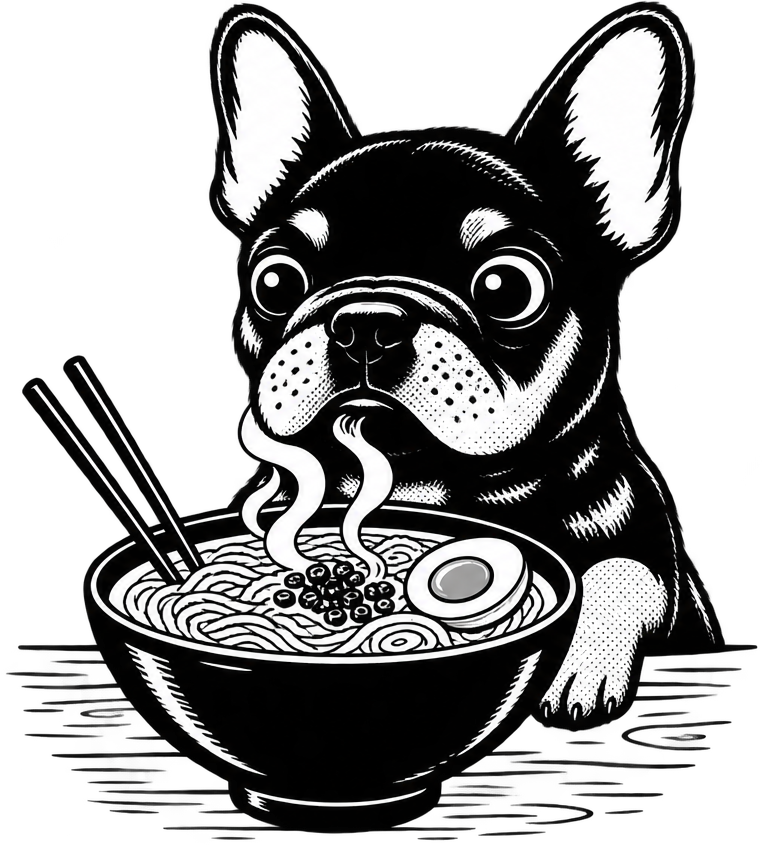
Tahk Ramen serves hand-cut noodle ramen bowls in Steamboat Springs, modeled after the traditional Japanese ramen bars where Chef Tahk trained in Japan. You get broths built for depth over shortcuts, noodles cut fresh daily in-house, and fish sourced directly from Toyosu Fish Market in Tokyo. The ramen bar seats six to eight diners at the counter, placing you directly in front of the preparation process the way ramen bars in Japan operate.
Mountain dining demands warm, restorative bowls year-round—ski season brings après-ski traffic seeking comfort food after hours on the slopes, while year-round locals return for the same craft-focused approach. Each bowl starts with broth simmered for hours to extract flavor from bones and aromatics, then finished with tare seasoning, hand-cut noodles cooked to order, and toppings that include proteins flown in from Japan's leading fish market.
Schedule a visit to the ramen bar to see how hand-cut noodles and imported fish translate to bowls built on traditional technique.

Why Toyosu Fish Market Sourcing Matters
Chef Tahk hand-cuts noodles daily in the restaurant kitchen, controlling thickness and texture to match the broth style served that day. Fish arrives from Toyosu Fish Market in Tokyo, the same sourcing hub that supplies Japan's top sushi and ramen operators, ensuring you get access to seafood quality beyond what regional distributors offer in mountain communities.
After your bowl is finished, you notice the difference in noodle texture—hand-cut noodles hold their bite longer than machine-extruded versions, and they absorb broth differently because the surface texture varies across each strand. Fish sourced from Toyosu arrives with flavor clarity and fat content that changes how toppings like chashu or seasoned proteins taste in the finished bowl. Broths built without shortcuts taste cleaner, with distinct layers of umami rather than one-note saltiness.
The ramen bar counter seats a small group intentionally, replicating the intimate scale of traditional Japanese ramen bars where chefs work directly in front of diners. This setup allows you to watch noodles cut, broths finished, and bowls assembled in real time, which is how ramen culture developed in Japan—chefs and diners separated by a counter, not a kitchen wall.
Questions About Ramen Bowls and Sourcing
Mountain diners in Steamboat Springs often ask how traditional ramen technique translates to a ski resort town, and what Toyosu Fish Market sourcing actually delivers.
What does hand-cut noodle preparation involve?
Chef Tahk cuts noodles daily in-house, adjusting thickness and width based on the broth style being served, which allows noodle texture to match the weight and richness of each bowl.
How does Toyosu Fish Market sourcing affect ramen quality?
Toyosu Fish Market in Tokyo supplies the same seafood to Japan's top ramen and sushi operators, giving you access to fish quality and fat content that regional suppliers in mountain towns rarely stock.
When is the ramen bar busiest in Steamboat Springs?
Après-ski hours during ski season bring the heaviest traffic, though year-round locals fill counter seats throughout the week for the same traditional ramen approach.
Why do broths taste different when built without shortcuts?
Broths simmered for hours extract gelatin and umami from bones and aromatics in layers, producing cleaner flavor with distinct depth rather than one-note saltiness from powdered bases or concentrates.
What training background supports traditional ramen technique?
Chef Tahk trained in traditional Japanese ramen bars in Japan, learning hand-cut noodle methods, broth-building techniques, and sourcing standards that prioritize ingredient authenticity over convenience.
Tahk Ramen applies the same sourcing and preparation standards to every bowl, whether you visit during peak ski season or mid-week in the off-season. Reserve a seat at the ramen bar to watch the process and taste how Toyosu Fish Market sourcing and hand-cut noodles change the bowl you're served.